



BROWSE BY TOPIC
Kevin Grub

Author

Kevin Grub

Head of IT at RTKdata

Owns infrastructure, security, and integrations at RTKdata.

Articles by Kevin

RTK and GPS surveying equipment for construction site accuracy comparison.
Kevin Grub

RTK GPS Accuracy: What 1–2 cm Actually Means in the Field

Most “GPS” in the field is uncorrected GNSS (SPP) and often sits around 1–5 m—fine for navigation, costly for staking and QA. RTK adds RTCM corrections (usually via NTRIP) and carrier-phase to deliver centimeter-level positioning when you maintain an RTK FIX, and shows when PPK or PPP is the smarter workflow.

Read More »
RTK multipath sensor fusion enhances precision in agricultural machinery.
Kevin Grub

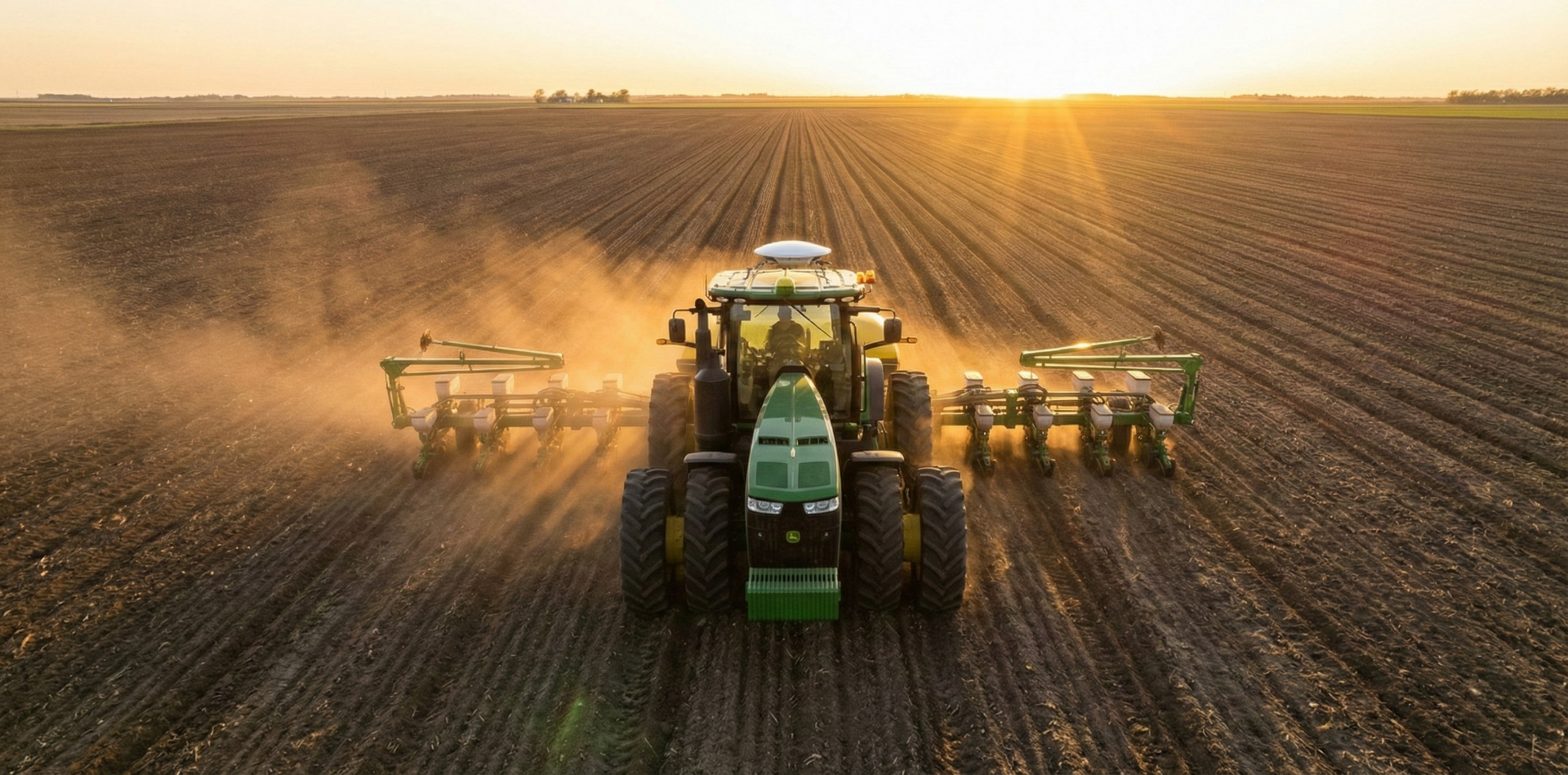
How Precision Farming Works: RTK Accuracy & Real Workflow

Precision farming is a closed-loop workflow: measure variability, georeference with GNSS/RTK, analyze zones, apply prescriptions with autosteer/section control, then verify with as-applied and yield maps. It highlights where RTK repeatability matters most and how to start simple quickly.

Read More »
RTK Base station
Kevin Grub

RTK Base station: Is Having One in 2026 Worth It?

Building your own RTK base station in 2026 can still pay off for offline work and compact areas, but network RTK via NTRIP is the default for most teams. Learn what production-grade requires—antenna siting, verified coordinates, correction delivery, monitoring, and datum/frame consistency.

Read More »
Kevin Grub

Drone RTK Setup: How Corrections Reach Your Airframe

RTK turns a drone’s meter-level GNSS into ~1–2 cm positioning by streaming RTCM corrections via NTRIP over cellular or Wi‑Fi. It covers the key components, why a nearby mountpoint matters, and the basic setup to reach and consistently maintain an RTK Fix.

Read More »
Kevin Grub

NTRIP connection flow explained

From sourcetable to mountpoint stream, this guide traces the NTRIP connection flow used by rovers and apps. It covers v1 vs v2 handshakes, GGA needs for VRS/NEAR, and resilience: timeouts, backoff, failover, and Age of Corrections.

Read More »